

🙋What does the stock market report section contain?
Dino Polska's share price has fallen below 2024 levels, so it has deservedly earned a place in the "Stock Market Report" section. But what is it all about?
The “Reporting from the Stock Exchange” column is a kind of compass for investors, helping them navigate the dense data set of listed companies. The essence of the column is not just to report raw numbers, but to professionally process the latest quarterly or annual report of the given company. During each such analysis, we put the most important financial indicators (such as sales, profit, ROCE or ROIC) into context, comparing them with previous expectations and, in some cases, with the performance of competitors. Now I will share my opinion on Dino Polska (WSE:DNP) in 2025.
Beyond the dry data, the column pays special attention to reading between the lines: it analyzes management's expectations and future market prospects. We examine how global economic trends, technological shifts, or industry specificities can affect the company's long-term growth trajectory. The column aims to provide investors with not only a snapshot of what happened in the past three months, but also what to expect in the market in the coming period. The given quarterly report will also be linked to the in-depth analysis of the stock, if this has already been done on the iO Charts blog. In this case, you can read it at the following link: Dino Polska (WSE:DNP / DNOPY) stock analysis – Savings.
In the "📌In Practice" section, you can find my comments beyond mere numbers, which take into account qualitative rather than quantitative aspects.
📈 Dino Polska (WSE:DNP) 2025 Performance Analysis
I wrote an in-depth analysis of Dino Polska (WSE:DNP) stock about a year ago. It is a Polish retail company, and the reason for updating the analysis is that in March 2024 I took a position in Dino Polska ADR stock (DNOPY) at 9.32 USD, as the company is not only listed on the Polish stock exchange under the ticker WSE:DNP. Its current price is 8.57 USD, meaning the stock is cheaper today than it was 2 years ago. But what has happened since then and why has the Dino Polska share price fallen?
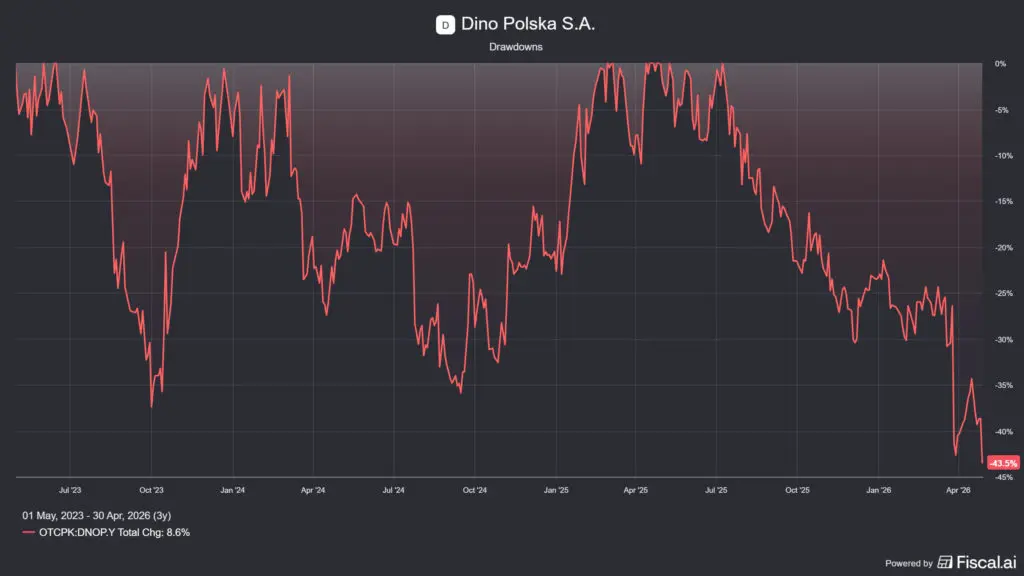
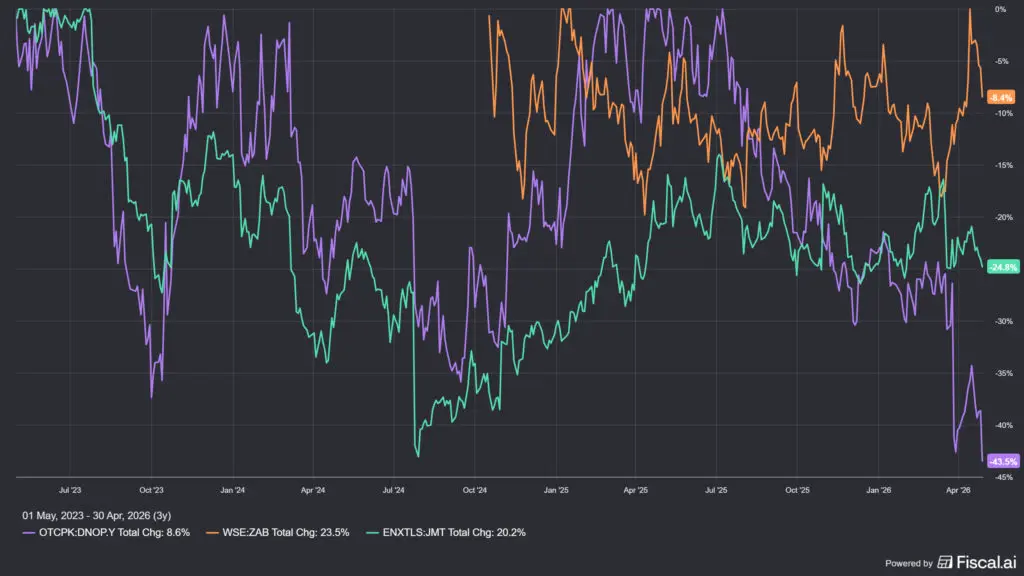
Most people attribute the ~43% drop in the picture above, the largest in the last 3 years, to the slowing Polish FMCG market and declining margins, which is not unexpected. This is also true because the entire industry was doing pretty much the same, margins were also decreasing there, but the price drop of competitors was not as big, as the previous high growth of Dino Polska (WSE:DNP) was priced out of the stock, as you can see in the picture below. What can be done in such a situation? Let's see how Dino stands compared to how it stood in 2024, because if its metrics have improved and its price is low, then this stock is worth much more today than it was 2 years ago!

📊 I report from the stock market – Dino Polska (WSE:DNP) 2025 key financial indicators
Here is a list of financial indicators for 2025 based on the table:
- 💵Revenue: ~PLN 33634 million (+14.9% annual change),
- 📈Net profit: ~PLN 1559 million (+3.5% annual change),
- ️Operating result: ~PLN 2041 million (+7% annual change),
- 🏆EBITDA: ~PLN 2546 million (+10% annual change),
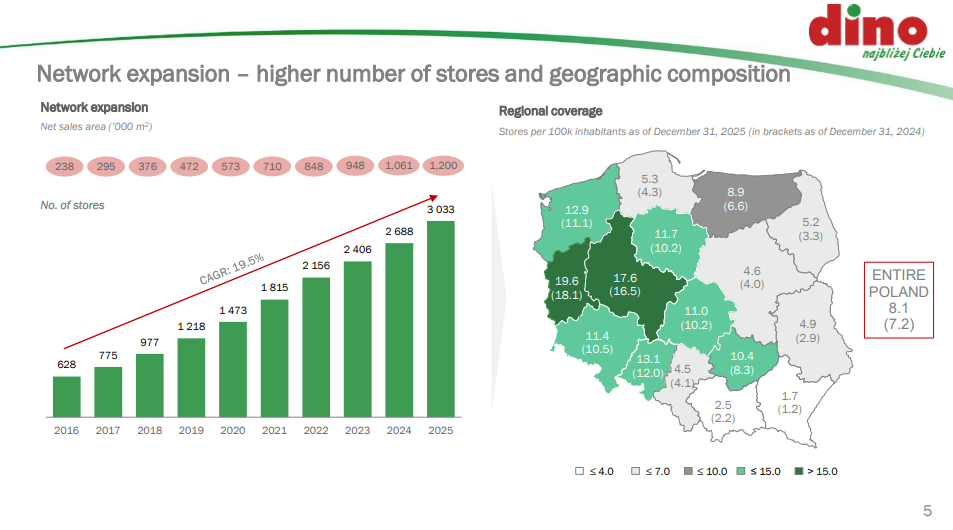
- ????Number of stores: 3033 units (345 new units added to the chain in 2025),
- 🌊LFL (comparable) sales growth: 4.4%,
- (I.e.Number of employees: 55856 people (+12% annual change),
- (I.e.Net debt: -PLN 199,5 million (which represents a cash surplus).
So the growth is there, but it is not turning into profit, which is because Dino Polska (WSE:DNP) is constantly investing in the development of its infrastructure, which means opening new stores, building logistics centers, and installing solar panels, which the competition has largely not done. In practice, this means that Dino Polska is investing in physical assets, so the problem is not that money is leaking out, but that the economy has slowed down. That's why I made a chart of what happened to the company in 2 years compared to the first quarter of 2024, because the difference is spectacular.
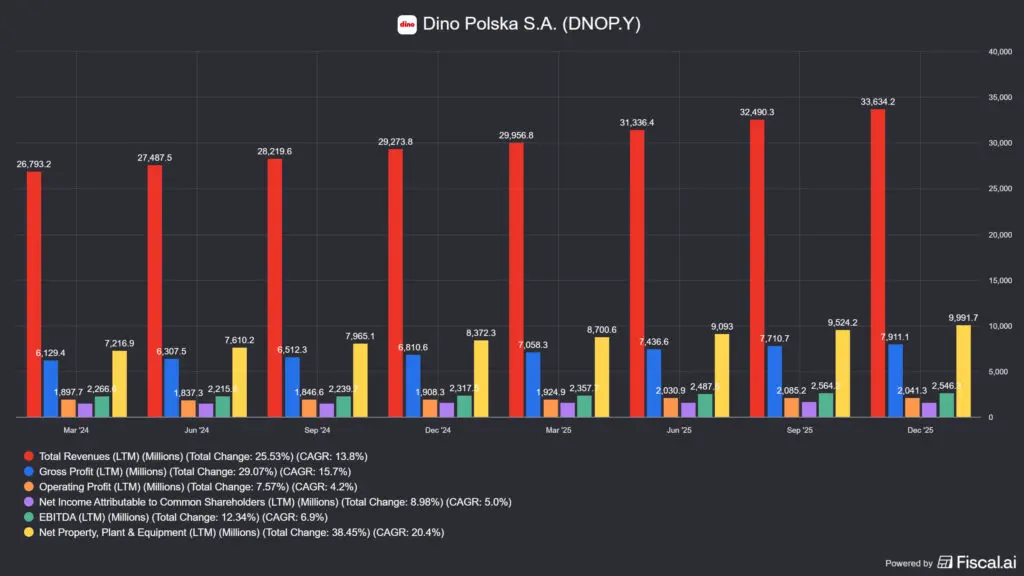
As you can see, revenue has been steadily increasing, as has the NPP value, which includes land, buildings and other equipment. I have cut out the current number of stores from the press release, in March 2024 Dino Polska (WSE:DNP) had 2300 stores, the picture shows 3033 stores, but taking into account the usual growth, they could be somewhere around 3150-3200 stores by the end of April. So, they have not slowed down by chance, they are continuously occupying the market, as they have been for the past few years.
dinosaur 2025
3 033
+345 pcs / year average
Ladybug 2025
3 882
+108 pcs / year average
Difference
849
In 2016: ~2,170 were
The picture is even more impressive when I compare it with DNP's biggest rival, Jeronimo Martins-owned Biedronka, which you can see in the chart above. The gap is narrowing, which is no coincidence. Scroll back a bit to my 2025 Dino Polska (WSE: DNP) analysis, which I reached in the box below.
Let's refresh a little on what Dino Polska's competitive advantage is over its competitors:
- 🥩 they have their own meat factory, called Agro-Rydzyna,
- 🚛 they own the logistics network under the names Dino Krotoszyn and Dino Oil sp. zo o.,
- 📍 Dino Polska stores are located on their own land, there is no rent (just like most Walmart and Costco stores in America),
- 🏗️ they also build their stores, through a company called Krot Invest, which is their own property,
- ☀️ Dino produces its own electricity, they have a capacity of 117 MW and have so far generated 102 GWh of energy with their solar panels in the 2856 stores where they have been installed (the largest electricity consumers are meat processing and refrigeration),
- 🏷️ they have their own branded products, but these only account for 8.8% of turnover (and their competitors also have them),
- 🃏 Their unplayed cards are Dino Oil and eZebra, the former is likely to be a gas station, and the latter may expand its offering with a future pharmacy project.
Why is this information important? Because it appears as a cost advantage on the company's side and most of it is not available to competitors. There is a great saying:
☝️Truly high-quality companies take over other companies' markets when there is a crisis, when they can absorb the impact of price increases with their cost advantage or pass on the impact of price increases with their outstanding quality.
Since the FMCG market is typically a volume business, the cost advantage is decisive, the larger the size, the greater the advantage. But how will supermarket chains reduce their prices during the US-Iran war, when there is a blockade in the Strait of Hormuz, part of the oil and gas infrastructure has been bombed, and we are on the verge of an oil crisis?
🔍 I report from the stock market – Is food inflation coming?
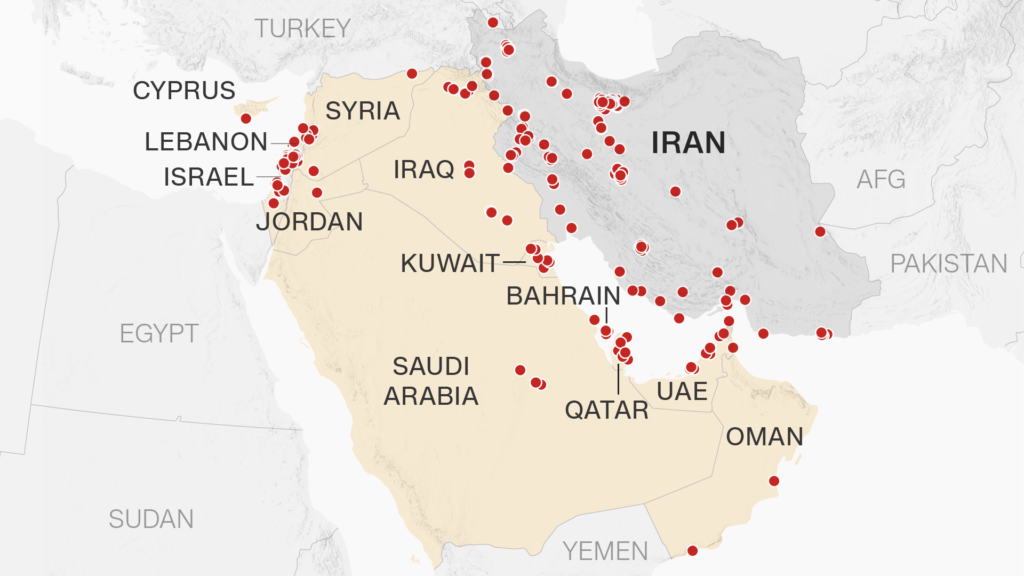
On February 28, 2026, the United States attacked Iran, meaning the conflict has been going on for almost 10 weeks, which has manifested itself in several ways:
- 🚀 The US bombed all of Iran's air defenses and most of its military facilities,
- 🚧 the Strait of Hormuz, through which 3000 ships passed per month, was closed. This number has dropped to 5% of its previous level, 230 loaded oil tankers are languishing in the Persian Gulf in front of the strait,
- 📉 Iranian oil exports have fallen from 1.7 million barrels per day to 100000 barrels, a 94% loss, Kharg Island, where the refineries were located, has been closed, while the Bandar Abbas refinery is struggling with a shortage of raw materials,
- 🔥 The South Pars gas field, which accounts for 70-80% of Iran's gas, was also severely affected by the conflict.
Iran has attacked the energy infrastructure of neighboring Arab Gulf countries with ballistic missiles, resulting in:
- 🛑 Bahrain's only refinery has shut down,
- 💥 The oil industry zone in Fujairah, United Arab Emirates, was hit,
- ⚓ Several ports and oil infrastructure in Oman have been damaged,
- 🧪 And Qatar, which supplied 10% of the world's total gas market, stopped LNG production after a drone attack hit their facilities.
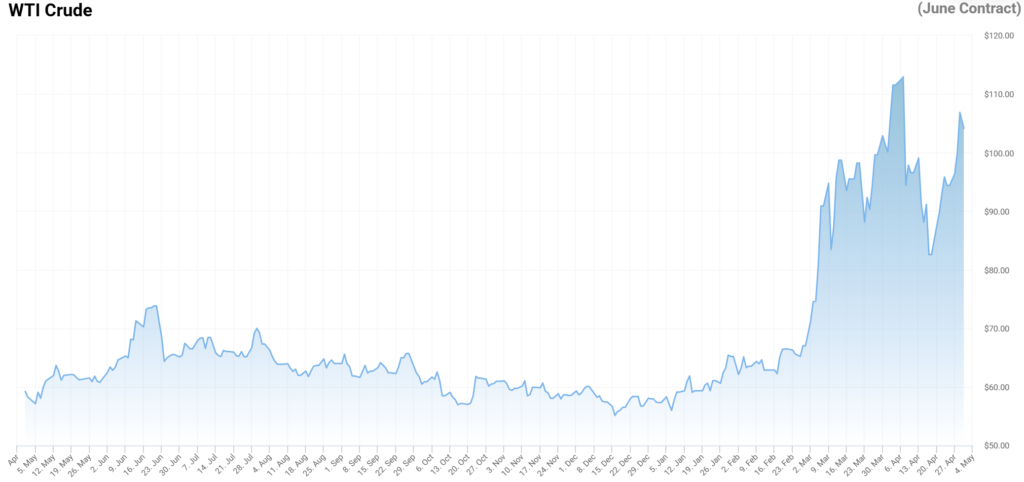
The above events predict that even if the war ends, it could take years to regain confidence and rebuild facilities. This not only means that the world price of oil has risen from $60 per barrel to over $100, but also that all industries that rely on oil or gas will see their products become significantly more expensive. This is compounded by the cost of transportation, which is typically handled by diesel-fueled transport vehicles to the consumer.
For Dino Polska and its competitors, this means that
- 📈 processing and logistics will be more expensive (Dino Polska has its own logistics distribution centers),
- 🌾 With the loss of LNG, it will be more expensive to produce fertilizer, which will make some foods, primarily grains and vegetables, more expensive,
- 🥩 since the shortage of fertilizer also makes feed more expensive, so animal protein, i.e. meat, will also become more expensive (Dino Polska has its own meat processing plant),
- ⚡ due to the higher gas price, electricity generation is also becoming more expensive (Dino Polska produces most of its electricity needs itself, unlike its competitors).
Where inflation is likely to spread:
- 🔋 energy costs (electricity, diesel, gas): immediate and lasting,
- 📦 packaging materials (polyethylene, plastics made from oil): immediate,
- 🚛 Shipping costs: immediate,
- 🚜 fertilizer → feed → meat – with a delay of 6–18 months, as most of the fertilizer for 2026 has already been purchased by farmers.
There is also another effect that few people think about, and that is that rents are often indexed to inflation by contract, that is, the rent will increase, except for Dino Polska, where a significant part of the stores are owned by the company, and the company responsible for the construction is also a member of the group. It is not difficult to guess from these that if inflation hits the food chains, they will try to pass it on to the consumer. It is not certain that this will be 100% successful, in which case the store chain will have to absorb the loss. It is very important what the capital structure of a company is at this time, in simpler terms: how much cash, debt and borrowing capacity it has. Let's see how the listed FMCG companies on the Polish market stand in this regard:
- 💰 Dino Polska: net cash, PLN 200 million in cash,
- 📉 Jeronimo Martins (Biedronka): net debt, PLN 14,000 million (EUR 3300 million),
- 💳 Żabka Group: net debt, PLN 8800 million.
I will show you a chart showing which supermarket chains have left the Polish market since 1995, and since Dino Polska was founded in 1999, it also had to contend with the following competitors:
As you can see, quite a few have bled over the past 30 years, which is better called market consolidation. A lot of lesser-known players have dropped out, Julius Meinl, Tesco, Metro Group, and the Polish Piotr i Pawel have withdrawn, while Carrefour is currently looking for a buyer for its stores in Poland. Of course, there are plenty left: Biedronka, Zabka, Lidl, Auchan and Eurocash, plus a few smaller chains.
☝️It is during economic downturns and crises that better-performing companies tend to gain ground and take some market share from others. I think this will happen in the case of Dino Polska, it is simply in a better position than its competitors in almost every respect.
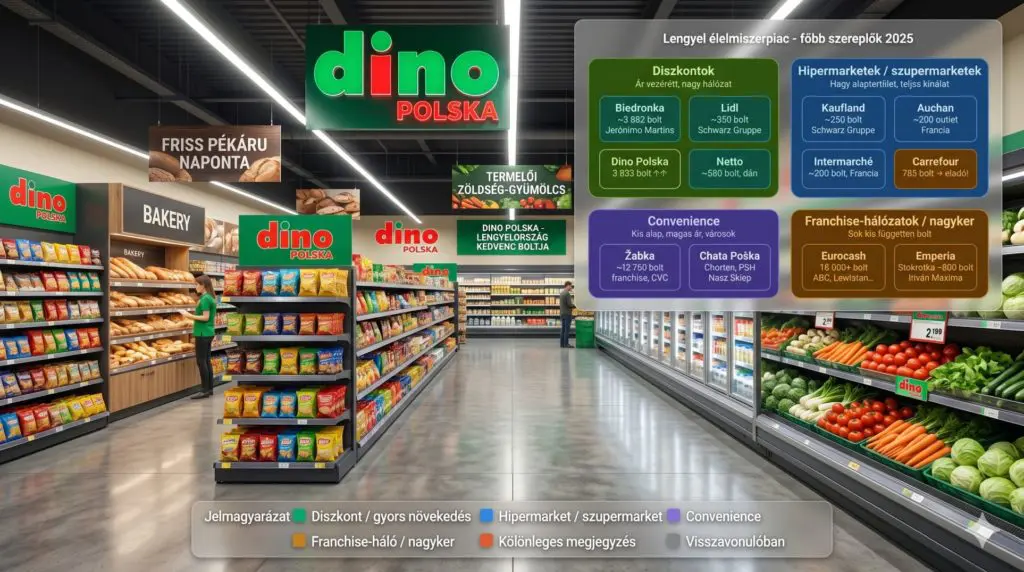
Finally, a picture of where each supermarket chain positions itself and who it competes with. The green cluster is interesting, Dino Polska is mainly at war with Biedronka, Netto and Lidl have a significantly smaller store network, the other competitors are either super- and hypermarkets or drugstore-type general stores, such as Zabka and Chata Polska.
🔮Dino Polska Ukrainian card
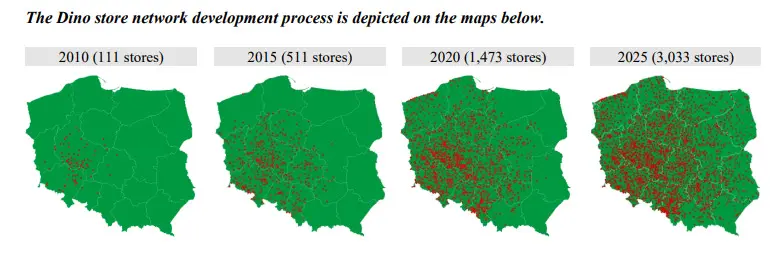
Dino Polska is expanding its stores from west to east. The reason for this is that the consumer audience with greater economic power lives in the capital and near the German border. This dynamic is also typical of Hungary and the Czech Republic, with the western part of the country being more developed. Since Dino Polska's (WSE:DNP) 400-meter stores can also be found in settlements with 2-3000 inhabitants - you should basically imagine a Penny - they can therefore also cover the eastern part of the country, the result of which can be seen in the pictures below. In other words, the company is moving towards the eastern part of the country, where the Ukrainian border is also located.
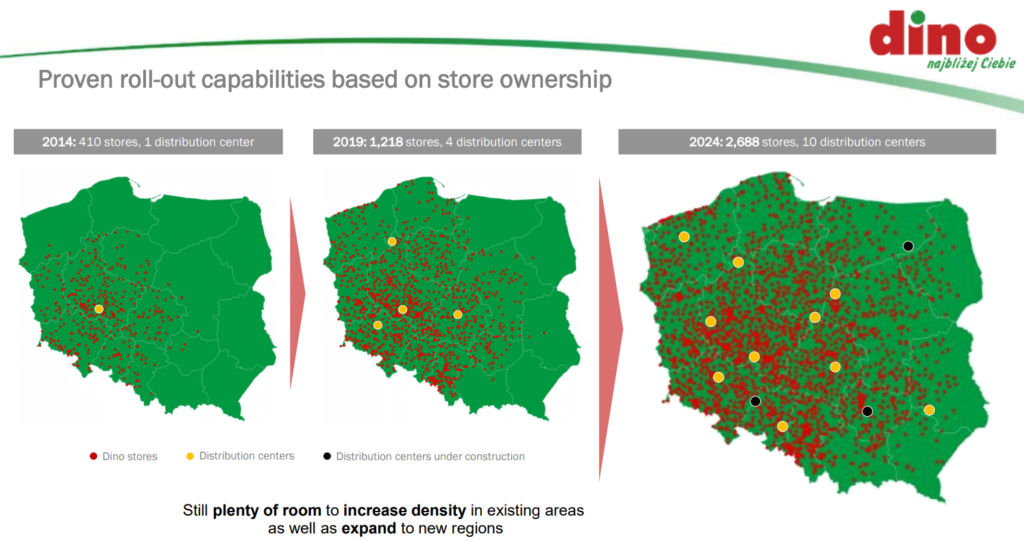
One of the big limitations of Dino Polska (WSE:DNP) is when it will saturate the Polish market. The number of stores is very difficult to estimate in advance, but as I wrote in the in-depth analysis, the maximum number could be somewhere around 6000 stores, assuming that Dino Polska does not lose market share to competitors, which is of course not true. If you calculate with 300 stores per year, then the market saturation is still 10 years away, which can also be inferred from where Dino Polska opens new distribution centers. The image below shows the distribution centers that are already active in yellow, and those that will not be operational in 2025 in black. In 2026, the next one will open near Zawiercie (Silesian Voivodeship), which also keeps the southern expansion direction open, which is Slovakia and the Czech Republic. It can be seen that the company is constantly moving east and south with new distribution centers, but it can also expand in the previous regions. But, this will still be limited in the foreseeable future, unless they cross the border and start expanding in another state.
It has been repeatedly stated in other analyses that one of Dino Polska's best targets would logically be Ukraine. It would have to enter the market in a war-torn country, against relatively weak competitors, which also offers a lot of room for growth. Ukraine and Ukrainian society are similar to Poland (or were similar before the war) in several ways:
- 🌍 similar size market, more people, but less purchasing power,
- 🏰 the western part of the country is the more developed,
- 🏘️ roughly 30% of the population lives in rural areas (40% for Poles), many are small settlements,
- 🥩 Ukrainians are big meat eaters, similar to Poles, which is something Dino is very strong at.
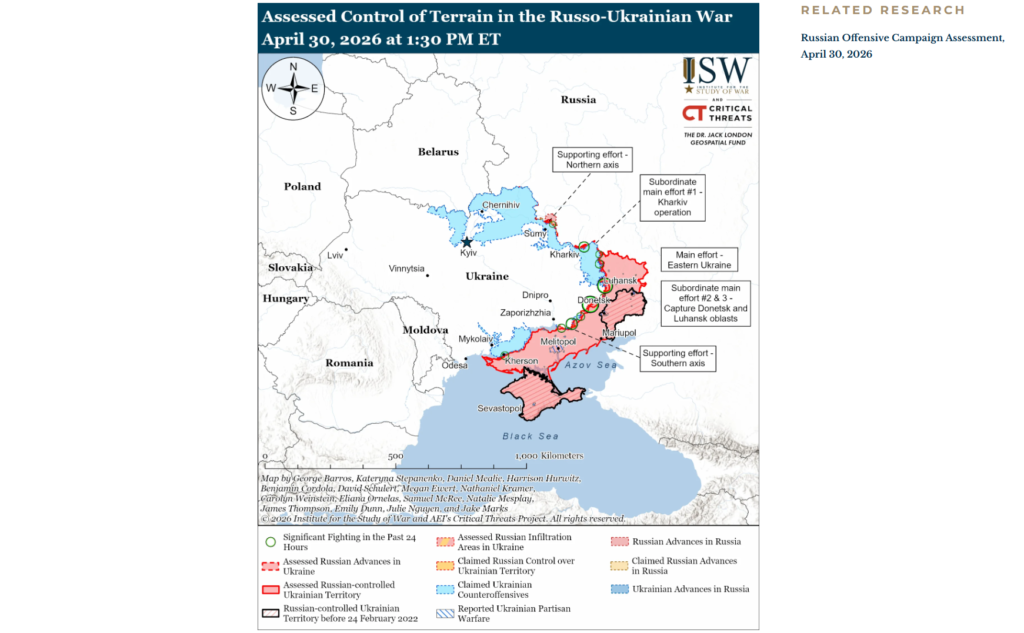
What is more important for Dino Polska, however, is that small local stores remain the most common format in small towns and villages in Ukraine, where modern chains are barely present, and this is exactly the gap that the DNP model fills. The fresh meat aspect is also relevant: Ukrainian consumers increasingly prefer small, nearby convenience stores, saving time and fuel. The largest player in the Ukrainian retail market is ATB, which has a 30% market share and 1319 stores.They are also expanding towards the western border – Lviv and its surroundings – because of the war.
☝️Of course, no one knows when and how the Russian-Ukrainian war will end, but it seems logical that Dino Polska (WSE:DNP) should also enter the Ukrainian market within a few years, if circumstances allow.
Their management consistently does not comment on such speculation, or at least they say that they do not want to go beyond the country's borders, for now.
📌In practice: I think the Dino Polska (WSE:DNP) market is approaching a “perfect storm” situation, when retail chains will be hit by price increases, inflation, higher fuel and packaging prices at the same time. This is not a company-specific structural problem, but a general effect, but the market is simultaneously undercutting all competitors, regardless of their quality. This is currently visible in the insurance market, where high-quality companies such as Kinsale Capital (KNSL) are pushing ahead, with a falling price, I wrote about it here: Kinsale Capital (KNSL) 2025 Q4 Stock Analysis.
In such a situation, those with a better cost structure and better prepared management gain ground at the expense of others. Dino Polska (WSE:DNP) has always had a growth limitation in its thesis, but this can be overcome by opening abroad, which the company is getting closer to by saturating the southern and eastern regions. Fortunately, they can head not only towards Ukraine, as Slovakia and the Czech Republic are also on the southern border, although that is another story.
🔮 Dino Polska (WSE:DNP) 2025 Summary
Dino Polska (WSE:DNP) shares are trading at a "bargain" price, as the price has fallen below the levels of 2 years ago, while the company has continued to strengthen. Although future inflation due to the oil price shock will not be favorable to the FMCG sector and retail chains, it is precisely during periods of inflationary pressure and economic downturn that we see which companies are the best in a segment, and I think Dino is an excellent example of this.
What you should follow as an investor regarding the company: LFL sales ratio, Polish inflation, and whether the number of store openings is slowing down. There is no sign of this yet, their financial balance is very strong, so I think the company will prosper in the long term, as long as it survives the short and medium term turbulence. Until then, however, the price will fall, which will open up the opportunity to take additional positions.
And if you want to get even more in touch with Dino Polska, read the original analysis at this link: Dino Polska (WSE:DNP / DNOPY) stock analysis – Savings.
🤑If you are interested in what brokers we use, read our articles below:
(I.e.Interactive Brokers broker account analysis – Professional for professionals
📈LightYear Broker Account Analysis - Simplicity and cheapness go hand in hand
Why has the Dino Polska share price decreased in the past two years?
Although the company's operational indicators and store count continued to grow, the market priced in the slowing Polish FMCG sector and shrinking profit margins. The extremely high growth expectations of previous years have diminished, bringing Dino Polska's share valuation closer to its peers, even though fundamentals remain strong.
What impact do the Russian-Ukrainian war and the Iranian conflict have on the company?
Global geopolitical tensions directly increase energy costs, fuel prices and logistics expenses, which puts pressure on all retail chains. For Dino Polska, this poses a challenge due to inflation, but its own logistics network, meat processing plant and solar power generation provide some safety net and relative cost advantage over competitors. However, Dino Polska's share price can still be negatively affected by events, so you can expect higher volatility than usual.
Why is owning your own real estate portfolio considered a competitive advantage?
Unlike most competitors, Dino Polska's stores are located on its own land, which exempts the company from inflation-indexed rent increases. This vertical integration, which also includes its own construction company, results in significantly lower fixed costs and more stable financial planning in the long term.
How much growth potential is there in the Polish market?
The chain currently has over 3000 stores, but market saturation is expected to be around 6000 units, especially with more intensive coverage of the eastern regions. Since Dino's model is viable in smaller settlements, the company has at least another decade of domestic expansion at the current pace.
When is Dino Polska expected to enter foreign markets?
There has been no official management announcement yet, but the location of the logistics centers (for example, in Silesia) suggests the possibility of expansion southward, into the Czech Republic or Slovakia. According to experts, the “dark horse” could be Ukraine, where consumer habits similar to those in Poland and the lack of modern retail chains could offer huge growth opportunities after the war. However, this is only speculation for now, and no actual news has been released about the preparation of this.
How does food inflation affect a company's profitability?
Inflation has a dual effect: it increases nominal sales revenue, but it also makes purchasing and operating more expensive, especially for meat and dairy products. Dino Polska is able to control part of its supply chain through its own meat processing plant (Agro-Rydzyna), which allows it to manage price increases more flexibly or pass them on to customers. However, such sentiment effects usually depress valuations and may also reduce the price of Dino Polska shares.
How secure is the company's financial position compared to its competitors?
The company, listed under the ticker WSE:DNP, is exceptionally stable, as it has net cash instead of significant debt, unlike competitors (such as Biedronka or Żabka). This capital structure allows it to continue investing and expanding its store network even in times of crisis, while others are forced to slow down due to the burden of loan repayments.
What role do renewable energies play in Dino's operations?
The company has embarked on a massive solar panel installation program, with nearly 3000 store rooftops now generating their own electricity. As refrigeration and meat processing are highly energy-intensive processes, the installed capacity of over 117 MW is critical to reducing overhead costs and increasing environmental sustainability.
What is eZebra and why is it important for the future?
Dino has entered the e-commerce market and diversified its offering into non-food products by acquiring eZebra, an online drugstore platform. This strategic move provides an opportunity to build a future pharmacy or beauty network, which could increase basket value per purchase and customer loyalty.
Where are Dino Polska shares traded?
The company is primarily listed on the Warsaw Stock Exchange under the ticker WSE:DNP, where it is a major component of Polish indices. It is also listed on the US market as an ADR (ticker DNOPY), making the company's growth story easily accessible to international investors.
Legal and liability statement (aka. disclaimer): My articles contain personal opinions, I write them solely for my own entertainment and that of my readers. The articles published here do NOT in any way exhaust the scope of investment advice. I have never intended, do not intend, and am unlikely to provide such in the future. What is written here is for informational purposes only and should NOT be construed as an offer. The expression of opinion is NOT in any way considered a guarantee to sell or buy financial instruments. You are SOLELY responsible for the decisions you make, and no one else, including me, assumes the risk.