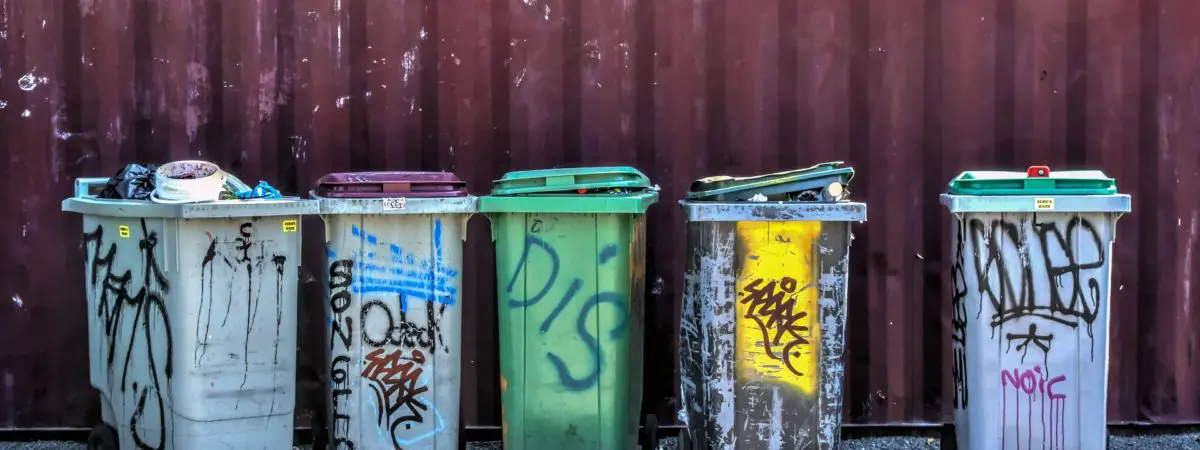
Landfills are filling up, natural habitats are being polluted by industrial processes, and air quality is a serious problem in many parts of the world. There are many new approaches to addressing these problems, but in many cases it is still economically worthwhile to use processes that impose a burden on the environment and communities, so recycling stocks are less well-known compared to traditional processors. However, it is also vital to invest in companies that repair or prevent damage to our environment, as much of our waste still ends up in landfills.
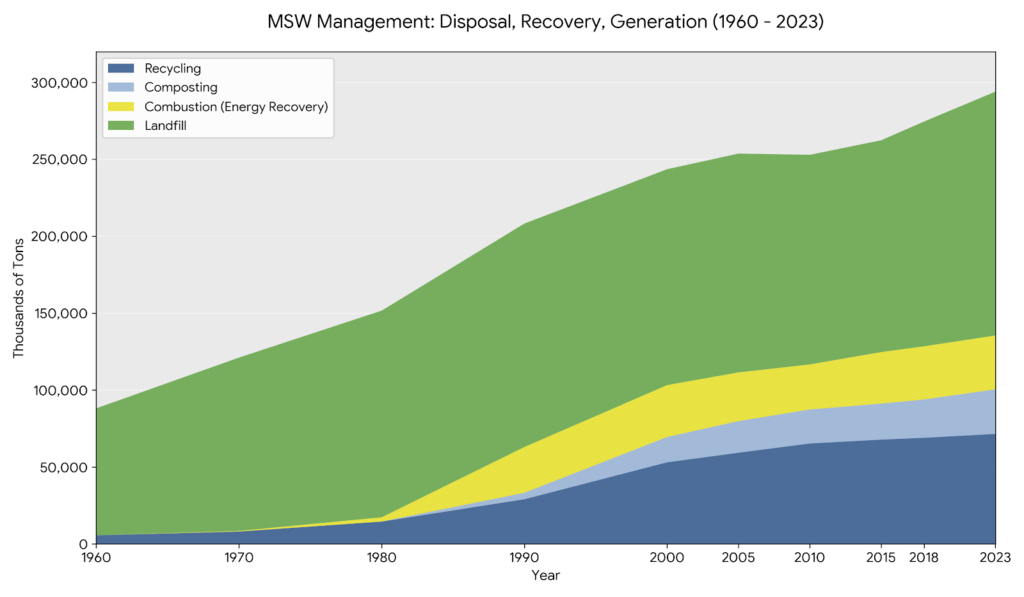
From an investor's perspective, what is something that the state of the economy doesn't affect? Garbage. When the economy is booming, that's why we produce waste; when there's a crisis, that's why we produce waste. That's why waste management stocks are the "survivors" of the investment world. But this industry is no longer just about a truck taking the trash away from your house. With the development of technology, trash has become a resource. Whether it's the batteries of exhausted electric cars or the plastic polluting the oceans, there is enormous value hidden in waste. As usual, it's worth reading relevant research when it comes to waste management and recycling stocks, e.g.: Fortune Business Insights, Energy & Power.
💡You can read our other articles about sustainability here: Green investments

🚮Why is waste one of the best defensive investments?
Before we dive into specific technologies, it's worth understanding why investors love this sector.
- 🛡️ Crisis-proof demand: Factories may shut down in a recession, people may buy fewer new clothes, but municipal solid waste (MSW) still needs to be disposed of. This provides companies with predictable, almost utility-like revenue.
- 🏰 Economic moat: try to get a permit to open a new landfill today. It is almost impossible due to strict environmental regulations and public opposition (NIMBY – Not In My Back Yard). This barrier to entry protects existing giants (such as Waste Management or Republic Services), creating a virtual monopoly for them. Copart (CPRT) belongs to the group of waste management recycling stocks, a real surefire tip, we have analyzed it, you can find our article here: Copart Inc. Stock Analysis (CPRT) – Gold from Wreck.
- 🌍 Environmental constraints: Landfills are filling up, the planet is polluted. Governments and ESG (environmental, social, governance) investment funds are pouring billions into remediation and recycling companies.
Main segments of waste management recycling stocks: What can you invest in?
Here on the blog, we define the following main categories, each for a different type of investor.
♻️Recycling: The engines of the cycle
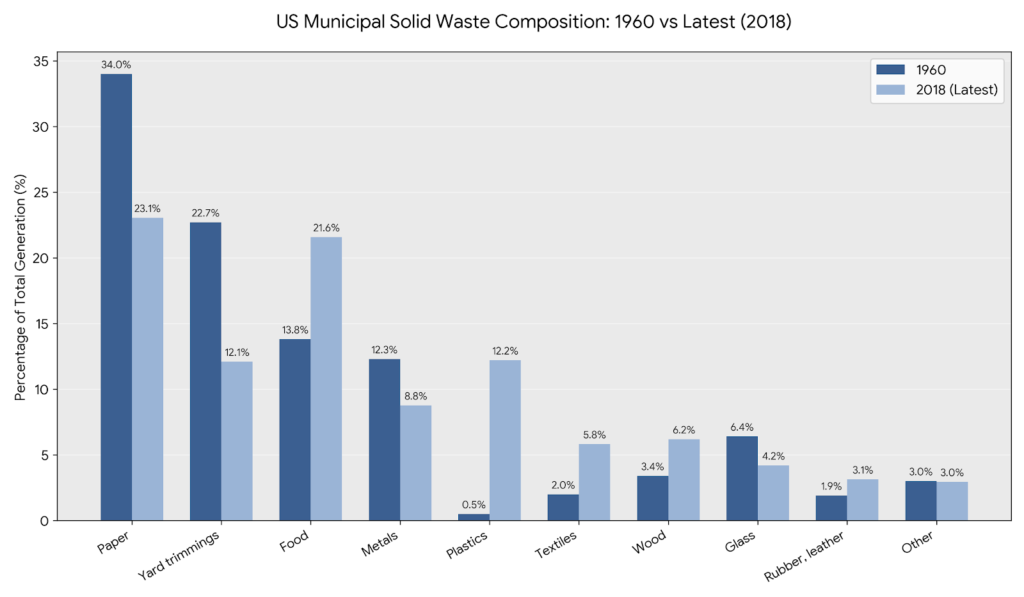
There are few better examples of the waste management recycling stock group than recycling stocks. Materials such as plastic, glass, paper, metals, etc. are used in new products, so these raw materials do not have to be mined, processed or extracted again, and they do not increase the size of already huge landfills. Our list includes companies that operate recycling plants, as well as those that transport these materials from residential and industrial areas.
- 🪙Metal Recycling Stocks: is one of the most mature areas. Recycling steel and aluminum requires a fraction of the energy required to mine and process the ore. Scrap metal is a global commodity, so these companies are stable players.
- 🛒Plastic recycling stocks: Plastic pollution is perhaps the most pressing global problem. This is where technological competition is at its peak: companies that can “chemically recycle” – that is, break down plastic into its basic components and reuse it – are set to experience huge growth.
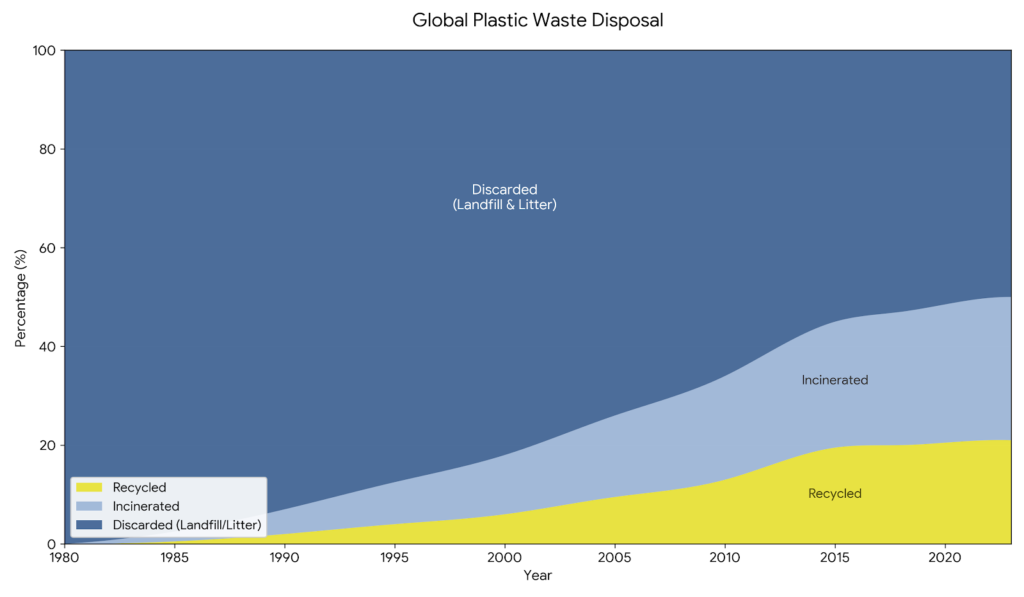
Recycling companies
| Ticker | Name | Mcap | PE | PE fw | PEG | Yield |
|---|---|---|---|---|---|---|
| WM | Waste Management Inc | 92.26B | 35.98 | 27.39 | 1.44 % | |
| GFL | Gfl Environmental Holdings Inc | 15.54B | 4.30 | 42.29 | 0.14 % | |
| KAI | Kadant Inc | 3.87B | 37.96 | 32.01 | 4.74 | 0.41 % |
| ICT | Northern Technologies | 93.76M | 5321.76 | 266.09 | 0.40 % | |
| LKQ | LKQ Corporation | 8.73B | 12.53 | 10.34 | 0.37 | 3.52 % |
| SCHN | SCHNITZER STEEL INDUSTRIES CLASS A | 657.11M | 15.04 | 3.12 % | ||
| HLC | Clean Harbors Inc | 13.97B | 35.97 | 32.73 | 89.93 | |
| WCN | Waste Connections Inc | 43.56B | 69.50 | 30.09 | 8.65 | 0.82 % |
| RSG | Republic Services Inc | 66.79B | 31.70 | 29.53 | 3.69 | 1.16 % |
| CWST | Casella Waste Systems Inc | 6.66B | 436.53 | 82.29 | 111.93 | |
| HCCI | Heritage-Crystal Clean Inc | 1.11B | 13.78 | 17.85 | 0.92 | |
| LOOP | Loop Industries Inc | 55.25M |

🔋Battery & lithium recycling
With the spread of electric cars (EVs), a new problem has emerged: what to do with used batteries? This is also about recycling, as in the previous section, but this is a relatively new area and requires a different approach than traditional methods. There are no lithium recycling plants specifically, as it can be extracted during battery recycling, along with many other valuable raw materials. The recycling process requires advanced technology, so new companies have typically been created for this purpose, and many of these can be classified as waste management recycling stocks. Most of these companies are still in their early stages and can be considered a definite speculative investment at this time.
Battery recycling companies
| Ticker | Name | Mcap | PE | PE fw |
|---|---|---|---|---|
| LICY | LiCycle Holdings Corp | 29.88M | ||
| ABAT | American Battery Technology | 614.11M | ||
| ENVX | Enovix Corp | 1.66B |
🛻Wreckage segment
The scrap metal industry is no longer simply about breaking down vehicles, but is a key part of the circular economy. This sector is one of the largest sources of metal recycling.
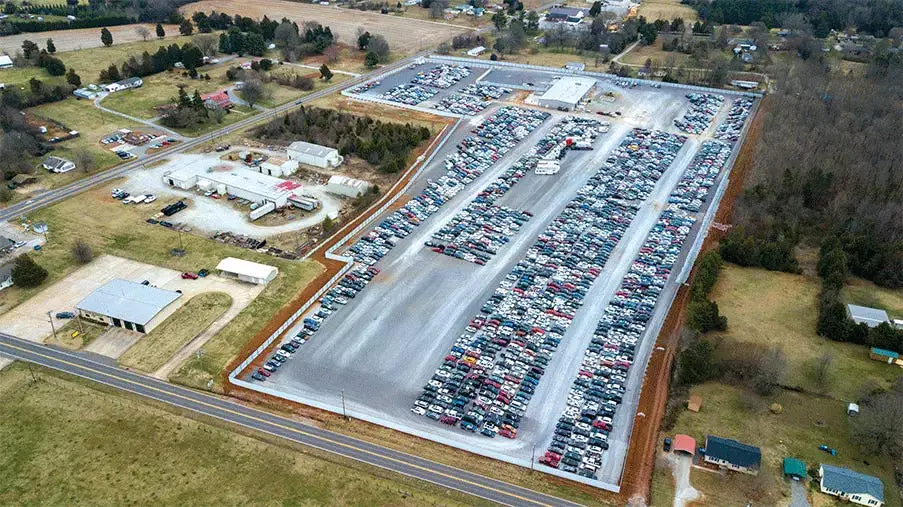
Main characteristics:
- ⛏️“Mine on Wheels” concept: 75-80% of the weight of an average car is metal (steel, aluminum, copper). Recovering it requires a fraction of the energy required to mine ore, so profitability closely follows the world market price of raw materials.
- 🛞Parts trade: The first step in processing is to extract and sell the still functional parts (engine, transmission, electronics) on the secondary market, which provides a higher margin than the raw material.
- Catalysts and precious metals: Platinum, palladium and rhodium recovered from catalytic converters in conventional cars have enormous value, although this segment is undergoing transformation with the electric transition.
💡We discuss and present the segment in exhaustive detail in our article analyzing one of the world's largest wrecker dealers, which you can read here: Copart (CPRT) Stock Analysis
Wreckage car trading companies
🏭Waste-to-Energy
What should happen to the garbage that cannot be recycled? The best solution is not to bury it, but to extract energy from it.
- These companies generate electricity or heat from waste in special incinerators.
- More advanced processes produce fuel (methane, ethanol or synthetic fuels).
- This has a double benefit: it reduces the size of the garbage pile (so it doesn't end up in the oceans), and it generates clean energy, replacing coal or oil.
Companies in the sector
| Ticker | Name | Mcap | PE | PE fw | PEG | Yield |
|---|---|---|---|---|---|---|
| WM | Waste Management Inc | 92.26B | 35.98 | 27.39 | 1.44 % | |
| BW | Babcock & Wilcox Enterprises Inc | 979.90M |
☣️Waste Cleanup
Certain industrial processes contaminate work areas with various hazardous substances. Specialized companies are hired to remove the toxic waste and restore the environment to its original state.
Remediation companies are examples of waste management recycling stocks
| Ticker | Name | Mcap | PE | PE fw | PEG | Yield |
|---|---|---|---|---|---|---|
| GFL | Gfl Environmental Holdings Inc | 15.54B | 4.30 | 42.29 | 0.14 % | |
| HLC | Clean Harbors Inc | 13.97B | 35.97 | 32.73 | 89.93 | |
| WCN | Waste Connections Inc | 43.56B | 69.50 | 30.09 | 8.65 | 0.82 % |
| RSG | Republic Services Inc | 66.79B | 31.70 | 29.53 | 3.69 | 1.16 % |
| HCCI | Heritage-Crystal Clean Inc | 1.11B | 13.78 | 17.85 | 0.92 | |
| SRCL | Stericycle Inc. | 5.75B | 284.85 | 22.22 | 25.90 |
🌳Air Quality
Here you can find organizations that work to reduce emissions from cars, factories, and other sources and filter out pollutants.

Companies working to improve air quality
| Ticker | Name | Mcap | PE | PE fw | PEG | Yield |
|---|---|---|---|---|---|---|
| DCI | Donaldson Company Inc. | 11.81B | 30.92 | 23.16 | 3.09 | 1.17 % |
| Have | Tsakos Energy Navigation Ltd | 758.01M | 6.22 | 5.19 | 1.41 | 3.97 % |
| HAS | Advanced Emissions Solutions Inc | 90.13M | 112.00 | 29.76 % |
Risks and Opportunities for Waste Management Recycling Stocks
Before you make a purchase, it is worth being aware of the following risks:
- 🏷️Raw material prices: For example, the profits of metal recycling companies are highly dependent on the world market price of metals. If the price of steel falls, the margin on scrap metal also decreases.
- 🖥️Technological risk: Battery recycling is still a young industry. It is not known which technology will be the dominant one in 10 years, so there is more volatility here.
Summary of Waste Management Recycling Stocks
- 🚯Waste management today is not just about burying garbage, but about recovering valuable raw materials – metals, lithium, plastic – in the spirit of the circular economy.
- 🛡️The sector combines defensive stability (traditional waste collection) with aggressive growth potential (battery recycling).
- 🍲We distinguish the following areas: Recycling, Waste-to-Energy, Remediation and Air Quality Improvement.
💡You can read our other articles about sustainability here: Green investments
📑Analysis and Portfolio Tracking with iO Charts
The waste management sector is a mix of stable, dividend-paying giants and riskier, explosive growth technology companies. How do you manage this mixed picture?
With iO Charts tools, you can make your strategy transparent:
- 💯Fundamental analysis: Use our individual stock pages to check the cash flow of companies. The waste industry is capital intensive (trucks, incinerators), so it is important that the company is financially stable (example: WM share). But you can also find data on the VanEck Environmental Services ETF, which covers the most extensive area (EVX ETF)
- 📈Hybrid Portfolio: Our portfolio manager lets you see your safe Waste Management (WM) stocks and your more speculative Lithium Recycling positions in one place, giving you a realistic view of how your defensive assets are offsetting the risk of growth stocks.
💡Follow your green portfolio in our Portfolio Manager!
🤑If you are interested in what brokers we use, read our articles below:
(I.e.Interactive Brokers broker account analysis – Professional for professionals
📈LightYear Broker Account Analysis - Simplicity and cheapness go hand in hand
Frequently Asked Questions about Waste Management Shares
Answers to the most common questions
Would you buy a waste management or recycling stock? Here you'll find concise answers to the most frequently asked questions: who are the biggest players in the sector, why are metal recyclers stable, how does the waste-to-energy model work, how risky are battery and plastic recyclers, and is there an ETF for the entire sector.
Click on any question and the answer will open. These are intentionally brief summaries: if you are interested in the details — from the reasons for the defensive nature to the segment-by-segment tables — we will expand on them in more detail in the appropriate sections of the article.
What are the largest waste management and recycling stocks?
Global leaders in the sector include US-based Waste Management (WM), which has the largest market capitalization and has made massive investments in automation and renewable natural gas (RNG) extraction in recent years. It is closely followed by Republic Services (RSG), known for its excellent profitability and stable dividend policy, and Waste Connections (WCN), based in Canada but also dominant in the US. In more specific areas of recycling, companies such as Clean Harbors (CLH), which specializes in hazardous waste, stand out.
Why are metal recycling stocks important?
Because metals — especially aluminum and copper — can be recycled infinitely without loss of quality. This process is much cheaper and more environmentally friendly than mining, so these companies generate stable profits. However, an important nuance is that their profitability closely follows the world market price of metals: if the price of steel falls, the margin on scrap metal also decreases.
How does waste-to-energy investment work?
In this case, you invest in companies that do not landfill waste, but incinerate it under controlled conditions and sell the heat or electricity obtained from it to the grid, or use chemical processes to produce other fuels (methane, ethanol, synthetic fuels). The benefit is twofold: the load on landfills is reduced, and clean energy is generated, replacing coal or oil.
How risky are battery recycling stocks?
This is clearly a speculative category. With the spread of electric cars, the management of used batteries is a real and growing problem, but the technology required is advanced and expensive, and most of the players are still in the early stages. The biggest uncertainty is that it is not known today which process will be the dominant one in ten years — which is why the volatility here is much higher than with traditional waste transport. It is particularly interesting that there are no specific lithium recycling plants: lithium is extracted during the processing of batteries, along with many other valuable raw materials.
How risky are plastic recycling stocks?
They are riskier than traditional waste haulers. Recycling plastic is technologically difficult and expensive, and the regulatory environment (e.g. plastic taxes, bans) is constantly changing, which affects profitability. The greatest growth potential lies with companies that are able to chemically recycle, i.e. break down plastic into its basic components and reuse it.
Is there an ETF for the waste management sector?
Yes, the best known is the VanEck Environmental Services ETF (EVX), which tracks the NYSE Arca Environmental Services Index and includes the largest waste management, recycling and remediation companies. There is also a broader approach: the iShares Global Infrastructure ETF (IGF) has a significant weighting in utility-type waste management stocks. For ESG-focused investors, thematic funds targeting the circular economy may be an alternative.
How should you build a waste management position?
The most direct route is to buy individual stocks through a brokerage account, where it is worth diversifying the portfolio both geographically (North American and European companies) and by profile. It is important to examine the free cash flow (FCF) generation capacity of companies, as the sector is capital-intensive — trucks, incinerators, sites — and its stability is provided by long-term municipal contracts. For those who want to cover the entire sector at once, thematic ETFs are the simpler solution, mitigating individual company risks.
Legal and liability statement (aka. disclaimer): My articles contain personal opinions, I write them solely for my own entertainment and that of my readers. The articles published here do NOT in any way exhaust the scope of investment advice. I have never intended, do not intend, and am unlikely to provide such in the future. What is written here is for informational purposes only and should NOT be construed as an offer. The expression of opinion is NOT in any way considered a guarantee to sell or buy financial instruments. You are SOLELY responsible for the decisions you make, and no one else, including me, assumes the risk.